
Will Google’s AI Search Updates Lead to More Website Clicks?
Google’s AI-powered search experiences have changed how people find information online. Instead of scrolling through traditional search results and clicking on websites, users can increasingly get answers directly from AI-generated summaries. For businesses that depend on organic search traffic, this shift raises an important question: If Google provides the answer, will customers still visit the original website?
On October 15, 2026, Google announced updates designed to make website links and original sources easier to discover within AI Mode and AI Overviews. These changes could create new opportunities for businesses to attract visitors, but whether they will reverse declining organic traffic remains uncertain.
If your business invests in search engine optimization (SEO), understanding these developments is important for maintaining visibility and turning search interest into meaningful customer engagement.
What Is Google Changing About Links in AI Search?
According to Google’s October 15 announcement, the company is introducing several improvements to how users discover websites through AI-generated answers.
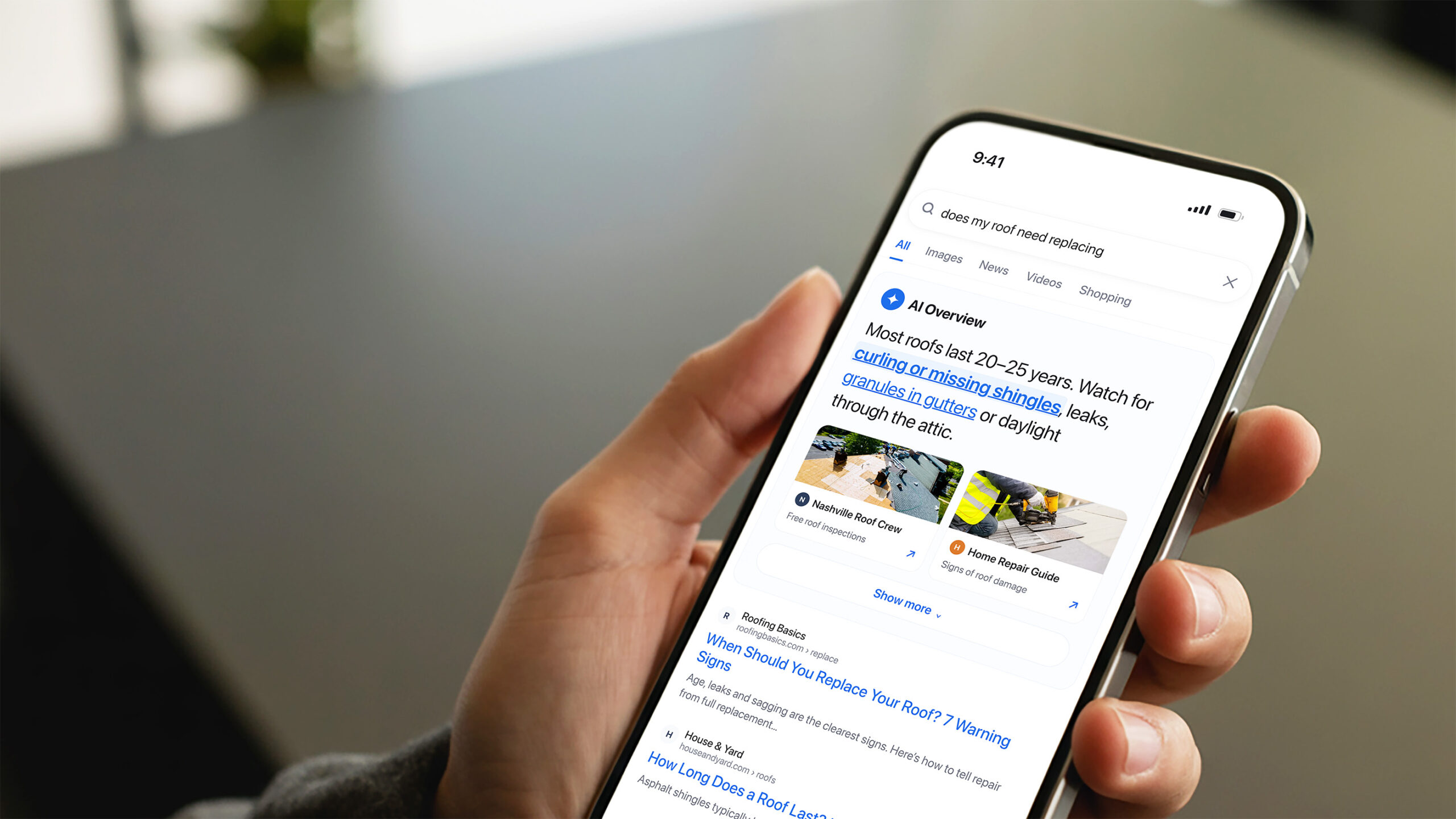
One significant change involves inline links. These are clickable words or phrases embedded directly within an AI response. Google has already increased their presence and is rolling out updates that position them higher in responses, potentially making them easier to notice.
Google is also introducing or experimenting with several other features:
- Official website links: Google plans to test dedicated sections near the top of AI responses that highlight one or two official websites for completing specific tasks or finding information.
- Article carousels: Visual carousels featuring timely news articles are expanding to additional countries and languages, with greater visibility for users’ Preferred Sources.
- Related article links: Google is making links at the end of certain AI responses more prominent through image thumbnails and more engaging layouts.
- Creator and publisher profiles: Google has begun testing clickable names on video results in AI Mode that connect users to Search profiles.
These changes are not all universally available. Some are actively rolling out, while others remain experimental. Their visibility may also vary depending on the search query, location, and individual search experience.
How Are AI Summaries Affecting Website Clicks?
Traditionally, search engines helped users discover websites by displaying links that answered their questions. AI Overviews have introduced another possibility: Users can find the information they need without leaving Google.
Research suggests this is affecting how people interact with search results.
A July 2025 study from Pew Research Center examined Google search activity among 900 U.S. adults during March 2025. Researchers found that users were less likely to click traditional search results when an AI-generated summary appeared.
- 15% clicked traditional search results when no AI summary appeared.
- 8% clicked traditional search results when an AI summary appeared.
- 1% clicked a link within an AI summary.
The study also found that users ended their browsing sessions after 26% of searches with AI summaries, compared with 16% of searches without them.
However, these findings require context. The research examined a specific group of U.S. users during one month in 2025, before Google’s latest changes. It also identified an association between AI summaries and fewer clicks rather than proving that AI summaries directly caused every decline.
Still, the findings illustrate an important challenge: Appearing in search results no longer guarantees that someone will visit your website.
Will More Visible Links Bring Organic Traffic Back?
Google’s latest updates could help address one of the biggest concerns surrounding AI-powered search: the difficulty of turning online visibility into website visits.
Making sources easier to find may encourage users to explore original articles, visit official business websites, and learn more about products or services. This could be especially valuable for businesses offering specialized expertise, detailed resources, or services that require additional research before purchasing.
However, improved link placement does not automatically mean increased organic traffic.
Someone researching a straightforward question may still find everything they need within an AI-generated answer. A potential customer comparing service providers, on the other hand, may be more motivated to visit individual websites.
The impact will likely depend on search intent, content quality, competition, and how prominently your business appears within the results.
Google has not established that its October 2026 changes will restore previously lost website traffic. For now, these developments should be viewed as potential opportunities rather than guaranteed improvements.
AI Search Visibility Is Not the Same as Website Traffic
One of the most important distinctions for your business is the difference between appearing in an AI-generated answer and generating measurable results.
Your website might be referenced as a source in AI Overviews or AI Mode without receiving a single visitor. Even when someone clicks a link, that visit doesn’t necessarily translate into a phone call, contact form submission, or sale.
For example, a Nashville roofing contractor might appear in an AI-generated answer explaining common roof problems. That placement could introduce the company to potential customers, but the business still needs users to visit its website and take action.
If your business appears in an AI-generated answer, the next challenge is giving potential customers a reason to visit your website. Clear service information, examples of your work, customer reviews, and easy ways to get in touch can help turn that initial visibility into meaningful engagement.
This is why evaluating AI search performance requires looking beyond mentions or citations alone.
Visibility can support brand awareness, but website engagement, qualified inquiries, and conversions provide a clearer picture of whether that visibility is contributing to business growth.
How Can Businesses Improve Their Visibility in AI Search?
Google’s official AI features guidance confirms that businesses do not need special AI-specific optimization techniques to become eligible for AI Overviews or AI Mode.
Instead, Google recommends continuing to follow established SEO best practices. A website must be indexed and eligible to appear in Google Search with a snippet to qualify as a supporting link. Eligibility, however, does not guarantee inclusion.
Focus on creating original, useful content that gives your customers a reason to visit your website.
That might include detailed service explanations, industry insights, project examples, customer resources, or answers to questions that require more than a brief summary.
Strong technical foundations also remain important. Your website should be easy for search engines to crawl, feature clear internal navigation, provide a positive mobile experience, and present important information in accessible text.
Google’s SEO Starter Guide reinforces these fundamentals, emphasizing helpful content and websites that search engines can understand.
Investing in professional website design and a comprehensive digital marketing strategy can help connect search visibility with a better experience for potential customers.
Measuring What Matters as Google Search Evolves
As Google continues refining AI-powered search, your business needs to look beyond traditional keyword rankings.
In June 2026, Google introduced dedicated Search Generative AI performance reports in Google Search Console, providing website owners with more information about how their pages appear in AI-powered search experiences. Google confirmed that these reports had rolled out to websites worldwide by August 31, 2026.
The dedicated reports include visibility data for AI Overviews, AI Mode, and other generative AI search features. They allow website owners to review impressions, the pages appearing within AI features, and performance trends over time.
However, these reports focus on visibility rather than providing a complete picture of AI-driven website visits and conversions.
To understand how your search presence contributes to business results, compare Search Console data with website traffic, engagement, and conversions in Google Analytics.
Pay attention to questions such as:
- Is your website receiving more or fewer organic search visitors?
- Are visitors engaging with your service pages and other important content?
- Are contact form submissions, phone calls, or other qualified inquiries increasing?
- Are changes in search visibility translating into meaningful business opportunities?
Monitoring these metrics together can help you determine whether search exposure is contributing to measurable results.
It’s also important to evaluate trends over time rather than attributing every traffic change to AI search. Seasonal demand, competitor activity, algorithm updates, and changes in customer behavior can all influence website performance.
Consistent SEO monitoring and ongoing website improvements can help your business adapt as Google’s search experience continues to evolve.
The Future of AI Search Still Depends on Valuable Websites
Google’s October 2026 updates represent another effort to connect AI-generated answers with the original websites that provide information.
More prominent inline links, visual article placements, and improved source discovery could make it easier for users to explore businesses and publishers beyond Google’s AI summaries.
Whether those improvements generate a meaningful increase in organic traffic remains to be seen.
For your business, the priority should remain creating trustworthy, useful website content while making it easy for visitors to take the next step. As AI-powered search evolves, businesses that combine valuable information with strong website experiences will be better positioned to compete for attention and customer inquiries.
At Horton Group, we help businesses navigate changes in search through strategic SEO, website design, content marketing, and digital marketing services. Whether you’re concerned about declining organic traffic or looking to improve your visibility in AI-powered search, our team can help you develop a strategy focused on measurable business results.
Contact Horton Group to discuss your website’s search performance and opportunities for growth.